
How Artificial Grass Handles Pets and Heavy Foot Traffic
The popularity of artificial grass has surged significantly in recent years, marking its presence strongly in both residential and commercial landscapes. This upswing is notably prevalent in areas bustling with pet activities or experiencing heavy foot traffic. As consumers gravitate toward this manicured alternative, questions arise regarding the durability and maintenance of artificial grass when faced with these specific challenges. Thus, the importance of professional artificial grass installers is needed.
The Composition of Artificial Grass
The Role of Materials
Artificial grass is predominantly composed of synthetic materials that mimic the aesthetic appeal of natural grass while offering enhanced durability and resilience. The primary component is polyethylene, a robust plastic polymer often used for its balance of softness and toughness. Polypropylene and nylon are also common; polypropylene provides a cost-effective option, although less durable, whereas nylon offers superior strength, best suited for high-traffic areas. The texture and color of the turf blades are stabilized with UV stabilizers to prevent fading and ensure vibrancy.
The Manufacturing Process
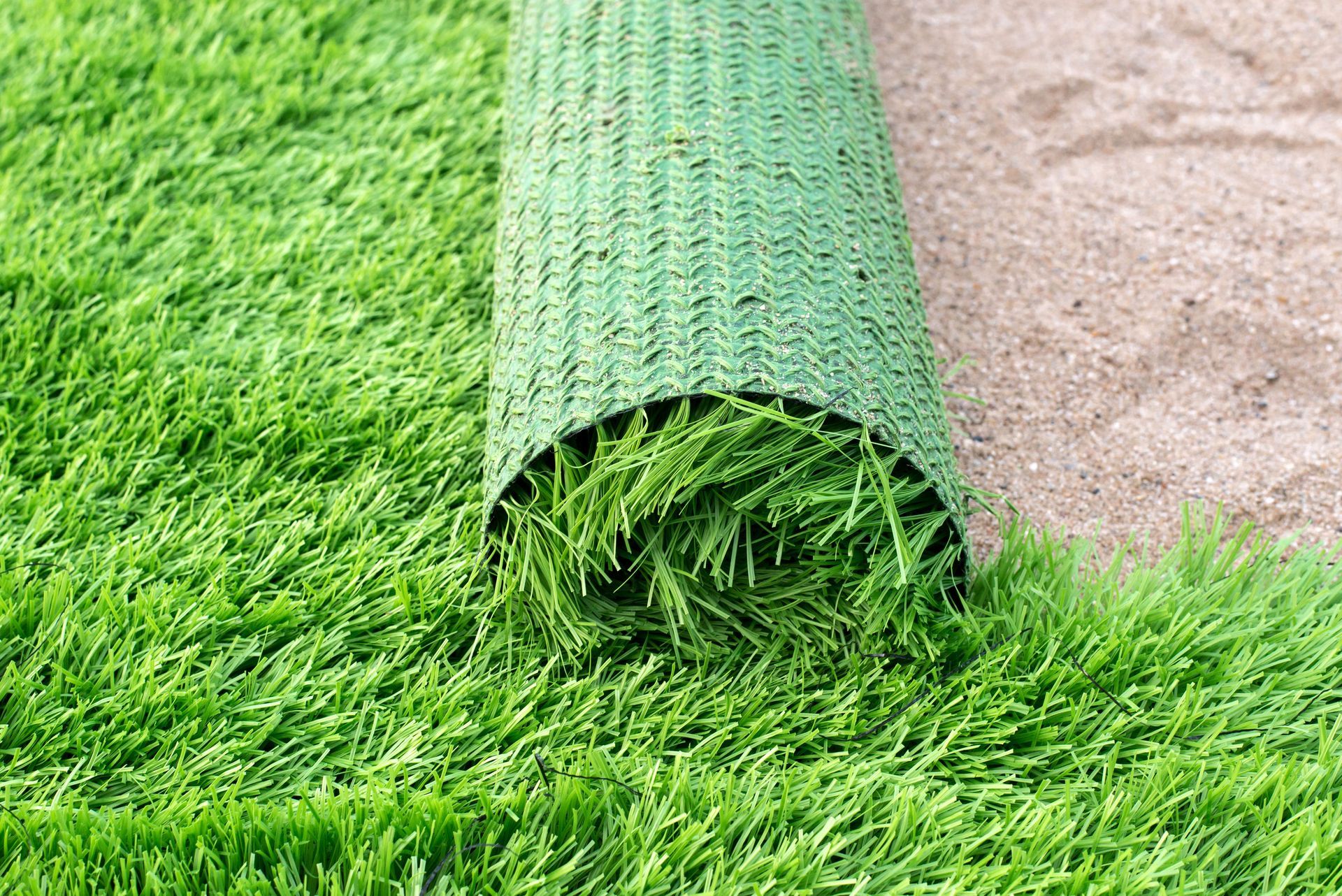
The production of artificial grass involves several intricate stages designed to replicate the appearance and performance of natural turf. Initially, plastic polymers are extruded to form the 'blades' of grass, which are then tufted into a backing fabric in a manner similar to carpet manufacturing. This backing is typically made from a durable polypropylene mesh that provides structural integrity. Following tufting, latex or polyurethane coatings are applied to bind and support the grass fibers, enhancing durability. Finally, the turf is cured and cut to size, undergoing stringent quality checks to ensure each roll meets industry standards for use across various applications.
Different Types of Artificial Turf
The artificial grass market offers a diversity of turf types that cater to specific needs per intended use and aesthetic preferences. Residential lawns often use medium-density turf with a soft texture and natural appearance for comfort and attractiveness. Sport fields demand high-density turf with greater resilience and shock absorption to withstand the rigorous activity and foot traffic. For pet owners, specialized varieties with enhanced permeability and odor control features are preferred for practical maintenance. Research into different artificial turf and artificial grass installers allows consumers to select the appropriate variant based on factors such as pile height, density, and filler type.
Grass Blades for Durability
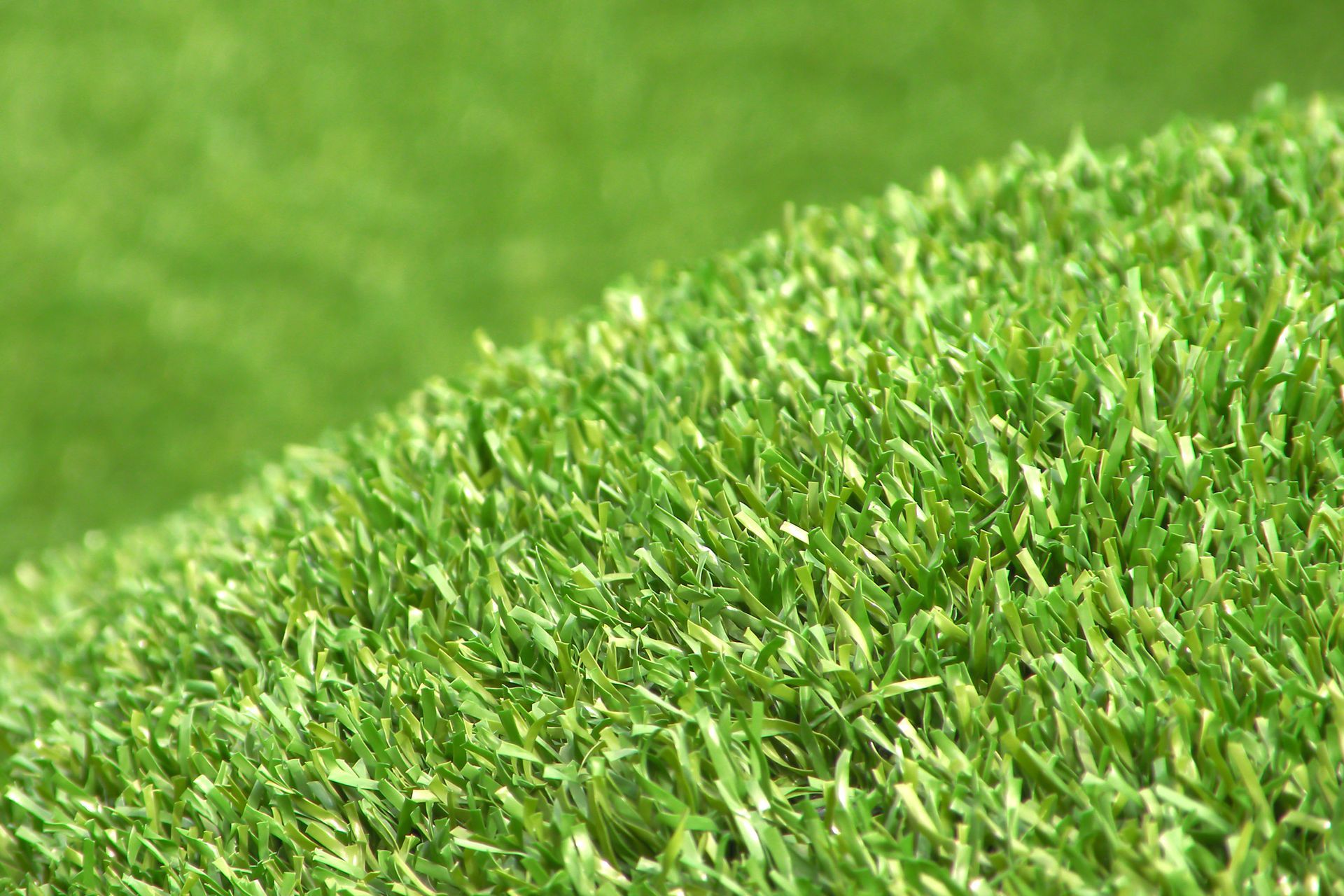
The design of the grass blades is central to its durability, determining how well artificial turf can withstand daily wear and tear. Particular attention is given to blade height and density, with the understanding that high-traffic spaces typically benefit from a pile height between 1.5 and 2 inches, according to BobVila.com, whereas medium-traffic areas fare well with heights of 1 to 1.5 inches. Blade shape is another consideration; 'W' and 'S' shaped blades resist flattening under pressure, maintaining turf appearance over time. Some manufacturers incorporate specialized ribbing or texturing on the blade surface to enhance resilience and a realistic feel. These design choices complement material selection to optimize the grass's durability in various environments.
Artificial Grass and Pet Usage
Non-Toxic Materials for Pet Safety
Ensuring safety for pets is a top priority when selecting artificial grass for households with animals. Manufacturers prioritize using non-toxic, lead-free materials that prevent harmful chemical exposure and are safe for everyday pet activities. High-quality artificial turf does not contain harmful pesticides or fertilizers, common in natural lawns, minimizing health risks. Specialty pet turf includes features like antimicrobial agents that deter bacterial growth, contributing to a clean play environment for pets. Awareness of material safety gives pet owners confidence in their choice, ensuring peace of mind that their furry friends are protected during outdoor play.
Stain and Odor Resistance
Artificial grass is designed to combat common issues posed by pet activities, notably stains and odors, maintaining a fresh and inviting area. These products from artificial grass installers use advanced technology for stain resistance, allowing pet owners to easily manage inevitable accidents without lasting discoloration. Additionally, odor-blocking infill made from zeolite or other non-toxic materials neutralizes ammonia in pet urine, significantly reducing smells. Routine cleaning intensifies the effectiveness of these technologies, maintaining a pleasant turf environment. This combination of features allows artificial grass to remain visually appealing and odor-free with minimal effort.
Easy Clean-Up Features
The maintenance convenience offered by artificial grass extends to the swift and uncomplicated cleaning processes aligned with pet ownership. The drainage system embedded within the turf backing supports rapid drying, preventing moisture build-up and prolonging cleanliness. Simple hosing down can remove dirt and debris, while mild detergents excel at tackling more stubborn residues. Some pet-specific artificial turfs include additional antimicrobial coatings, which reduce bacterial growth, making sanitation efforts further efficient. This user-friendly characteristic ensures that even the busiest pet owners can maintain a pristine and hygienic outdoor space.
Impact on Pet Behavior and Comfort
Artificial grass can positively influence pet behavior and comfort, providing an appealing and consistent surface for outdoor activities. The soft, cushioned surface entices pets to play and rest, contributing to their overall quality of life. Pets often find artificial grass less irritating, especially those sensitive to grass pollen or exposed to harsh lawn chemicals. The uniform surface mitigates the risk of tripping or injury, promoting safe play. Comfortable with artificial turf, pets may be encouraged to spend more active time outside, benefiting their health and well-being.
Heavy Foot Traffic
Reinforcement Techniques for Longevity
Artificial grass for high-traffic areas incorporates specific reinforcement techniques to improve longevity and withstand frequent and intensive use. Reinforced primary backing, with added layers of support, ensures fibers remain securely in place even under constant pressure. Additionally, the articulation of heavier denier fibers allows for greater durability while providing a soft yet tough surface that can handle dynamic foot traffic. Seam tape and adhesive are used strategically in installations to prevent shifting, maintaining the turf's form over time. This meticulous approach from artificial grass installers ensures that artificial grass continues to look pristine and perform well, even in bustling environments.
Shock Absorption and Comfort
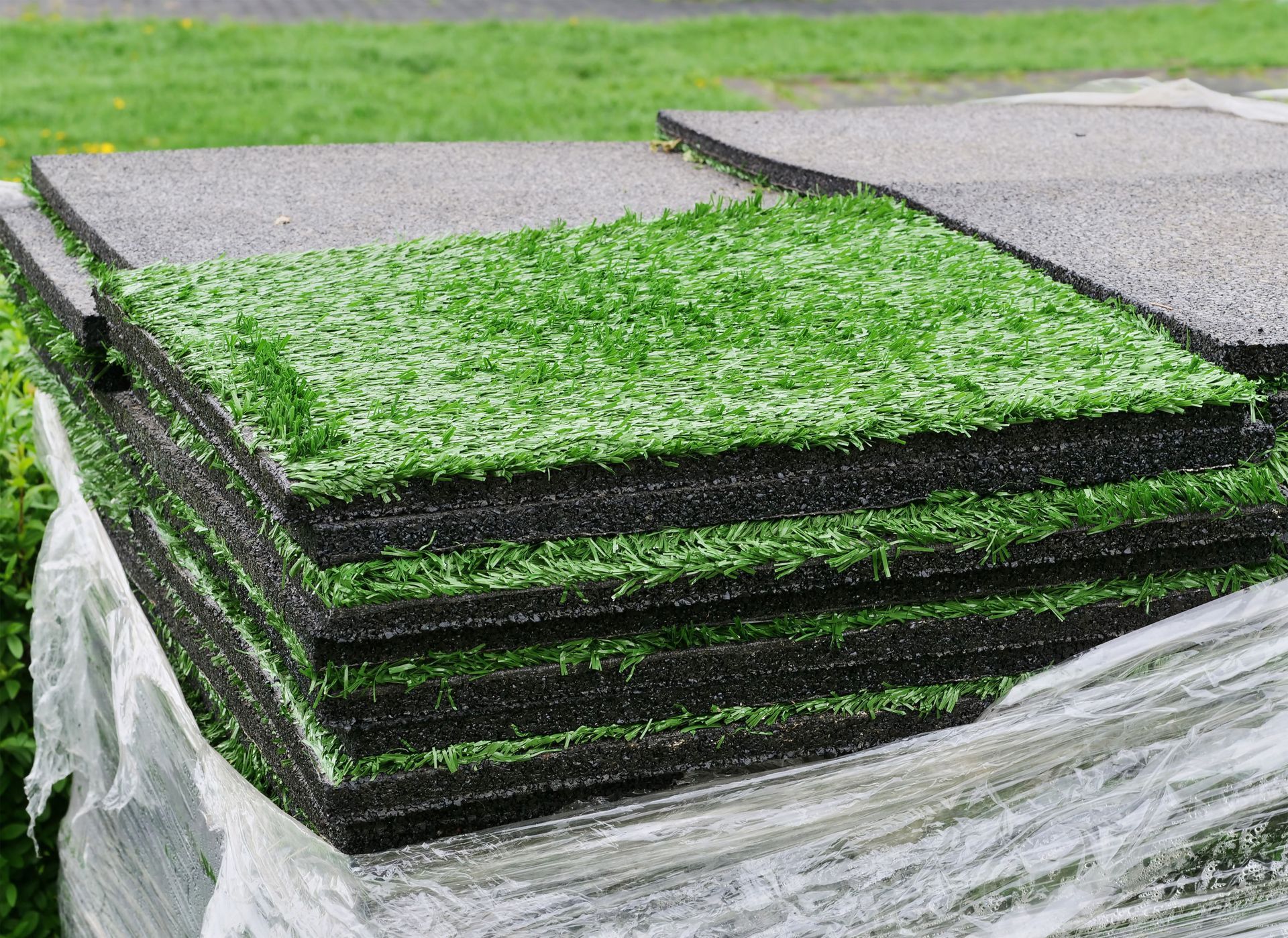
Beyond durability, shock absorption is essential for the comfort and functionality of artificial grass, particularly in active play or sport settings. Advanced backing and infill combinations contribute to a cushioned effect, replicating the resilience offered by natural grass and reducing joint stress. The integration of shock pads underneath turf enhances protection, accommodating activities like running or jumping with ease. This attention to user comfort is crucial in designing turf applications for playgrounds, sports complexes, or leisure areas, ensuring safety without sacrificing performance.
Maintenance Practices for High-Traffic Areas
Maintaining artificial grass in high-traffic spaces involves regular upkeep from artificial grass installers to extend the surface's life and retain its fresh appearance. It includes periodic brushing to redistribute infill, preserve blade standing, and manage debris accumulation. Simple routine checks for wear and repair opportunities can prevent isolated issues from expanding, ensuring the turf remains serviceable for all users. In high-use areas, occasional professional maintenance might be necessary, addressing deep cleaning needs and verifying installation integrity.
Artificial grass offers a sophisticated, durable solution for high-traffic areas and pet owners alike. By combining advanced synthetic materials with specialized designs and efficient drainage systems, it provides a resilient, low-maintenance alternative to natural lawns. This ensures a safe, vibrant, and long-lasting green space that withstands the demands of modern life. For artificial grass installers, call Synthetic Turf Pros today.
Share On: